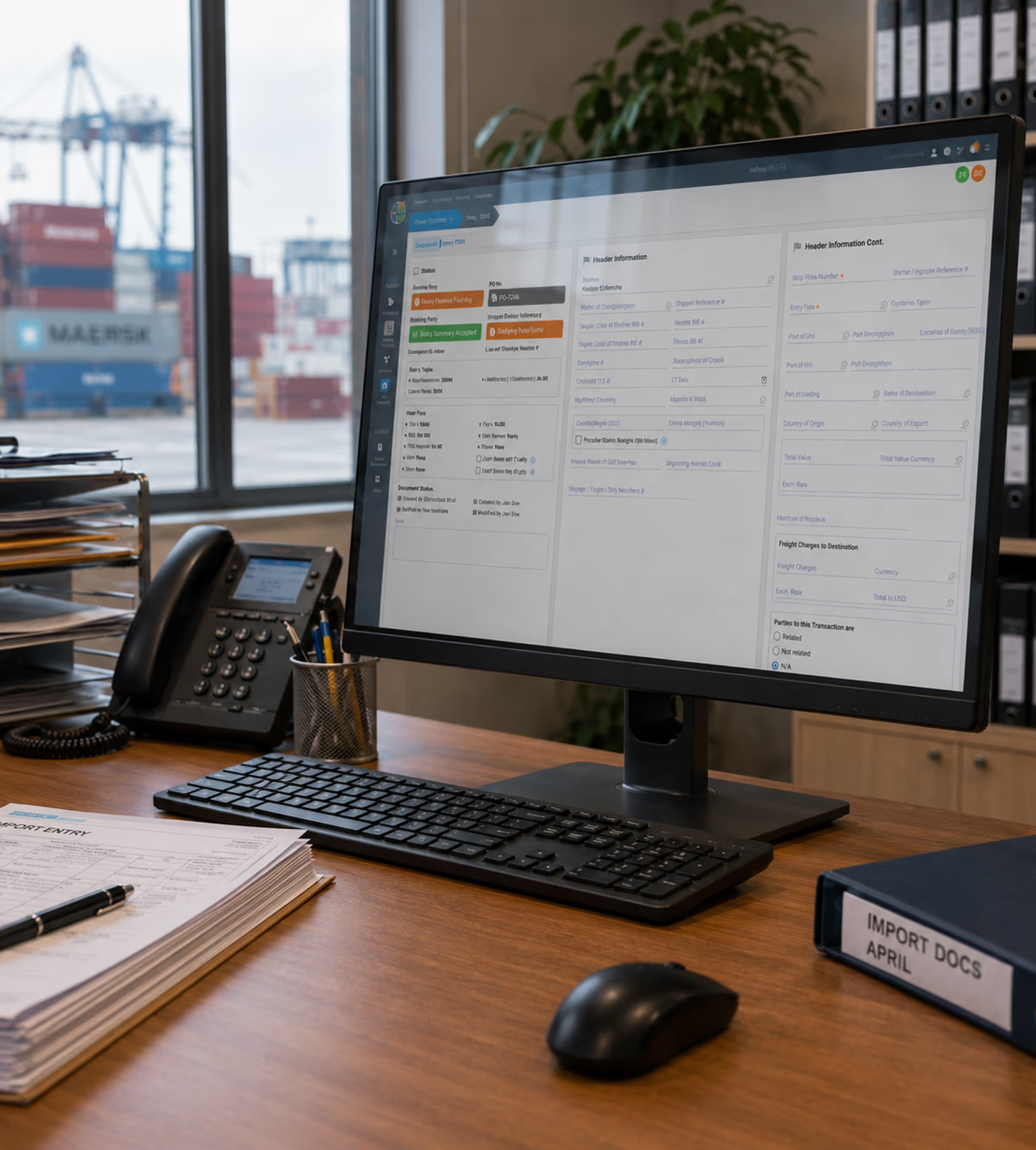
Multiple standalone systems consolidated into one modern web app. Customers kept running normally while the technology underneath changed completely.
of customers migrated to the new app
faster adaptation to regulatory changes
operational continuity during the entire transition
Overview
SmartBorder is a U.S. company that builds customs brokerage and compliance software used in cross-border operations.
Since 2016, we have supported them through acquisitions by Livingston International and Purolator. We’ve handled their system integration and modernization after these mergers, while developing custom tools for their specific needs.

Partnership started, still active today.
Kaizen engineers and designers currently working.
Active logistics projects
Challenges
.avif)
.avif)
.avif)
project Goal
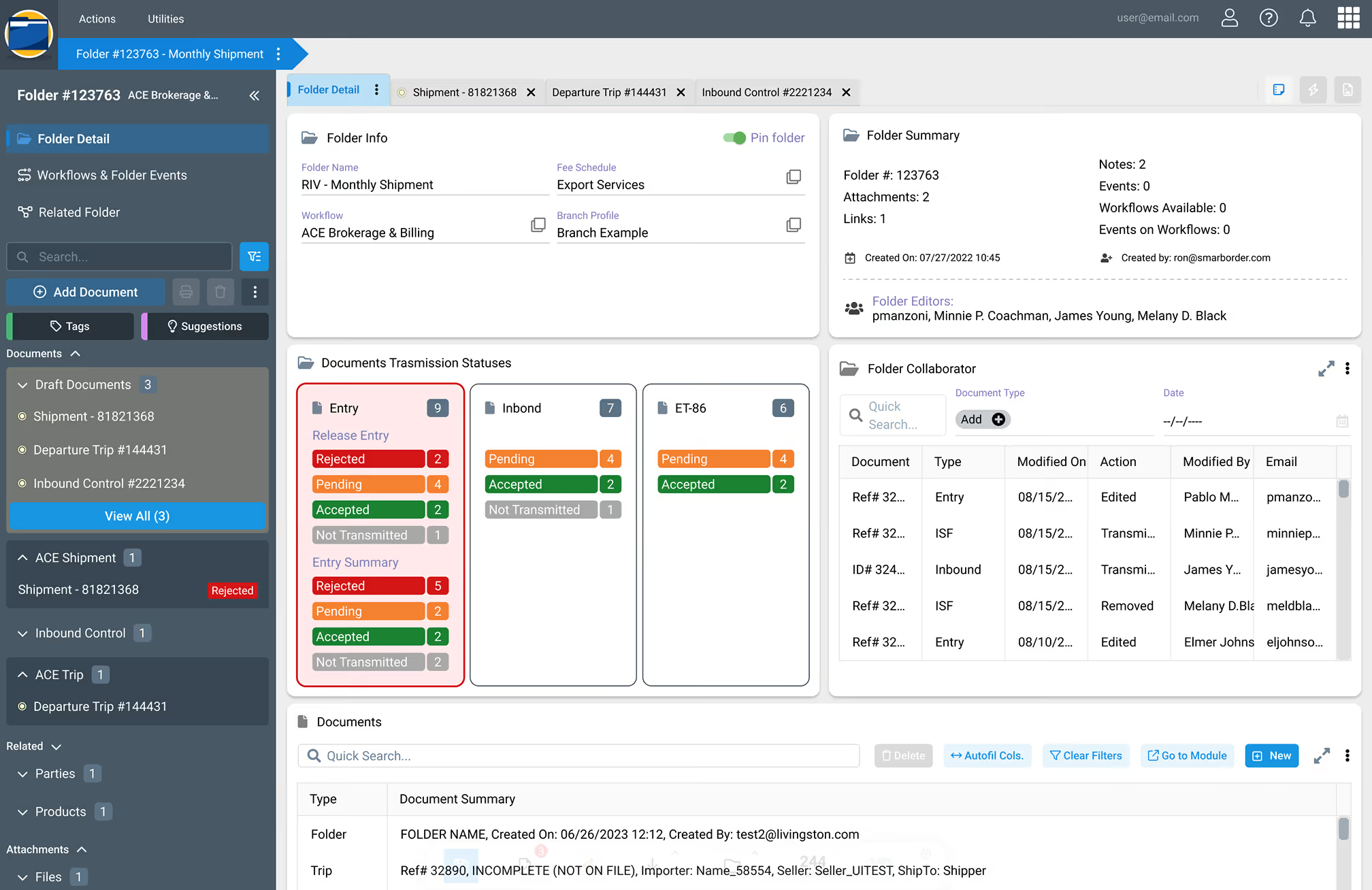
The goal was to turn multiple legacy systems into a single source of truth for the business, while keeping those systems running during the modernization so daily operations were not interrupted.
That meant rebuilding the platform with modern technologies, unifying workflows, removing duplicate functionality, and reducing manual handoffs.
Our Approach
We started by understanding how the existing systems actually worked: dependencies, overlapping functionality, data flows, customer workflows, and operational risks. That gave us the clarity to decide what to migrate first, what to leave untouched temporarily, and how to sequence the work without putting daily operations at risk.
We didn’t recreate the legacy experience in a new web app. We redesigned the workflows around how brokerage teams actually worked day to day: fewer duplicate entries, clearer task flows, fewer system switches, and less room for errors in compliance-critical steps.
We didn’t replace everything at once. Legacy functionality was moved into the new web platform in stages, based on system dependencies and operational risk. Critical workflows kept running in the old systems while new workflows were validated in the web app, and customers were migrated only when the replacement experience was ready. Old systems were shut down progressively, not before.
As functionality moved into the new platform, we identified repeated development patterns and standardized them with reusable components, simpler development workflows, and a custom front-end code generator. Some recurring front-end development cycles went from 4 days to 10 minutes.
We also improved how the platform was managed and sustained by migrating to Git, improving release management, introducing system documentation, and creating more structure around technical decisions. Over time, two Kaizen engineers stepped into leadership roles across the combined team, helping maintain continuity and technical direction.
Impact
Customers moved to the new application without a disruptive cutover.
SmartBorder no longer had to maintain a fragmented legacy stack.
Teams reduced repetitive work and lowered the risk of errors in compliance-sensitive processes.
The platform became easier to update as customs requirements changed.
Daily operations kept running throughout the modernization.
Testimonial

Director of Technology and Founder at SmartBorder
Related work
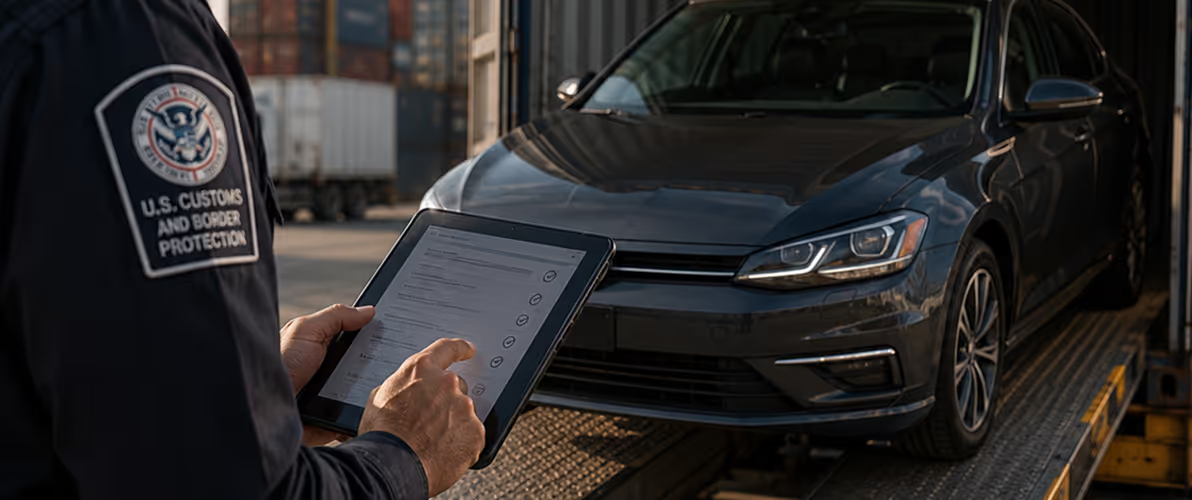
A full-scale technical modernization and rebranding of a business-critical app used to manage cross-border vehicle exports between the U.S. and Canada.

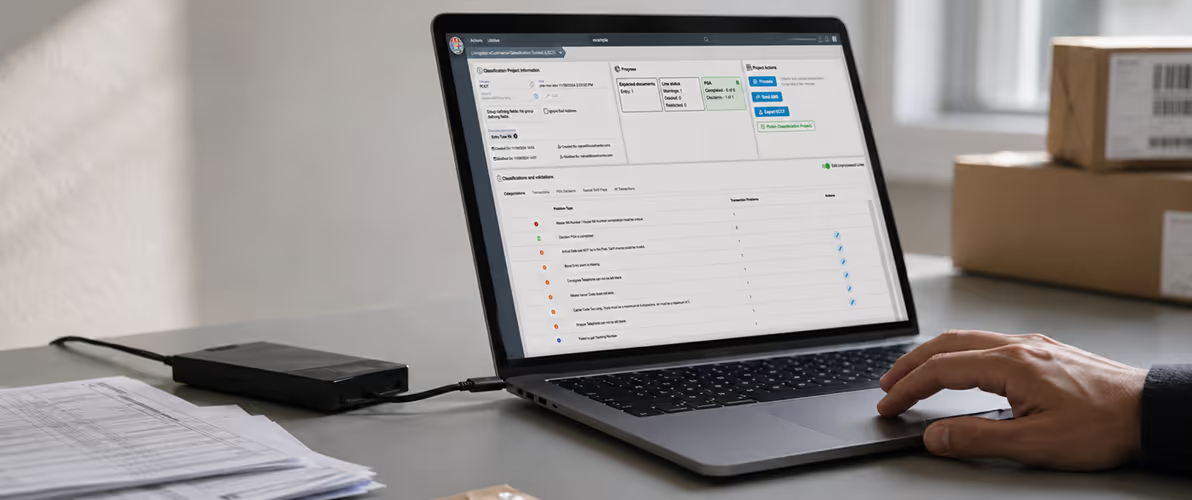
An enterprise tool to process bulk e-commerce imports. It automates data validation, enabling ready-to-file submissions for the U.S. Customs Agency.
We help companies modernize, stabilize, and evolve business-critical software without disrupting daily operations.