
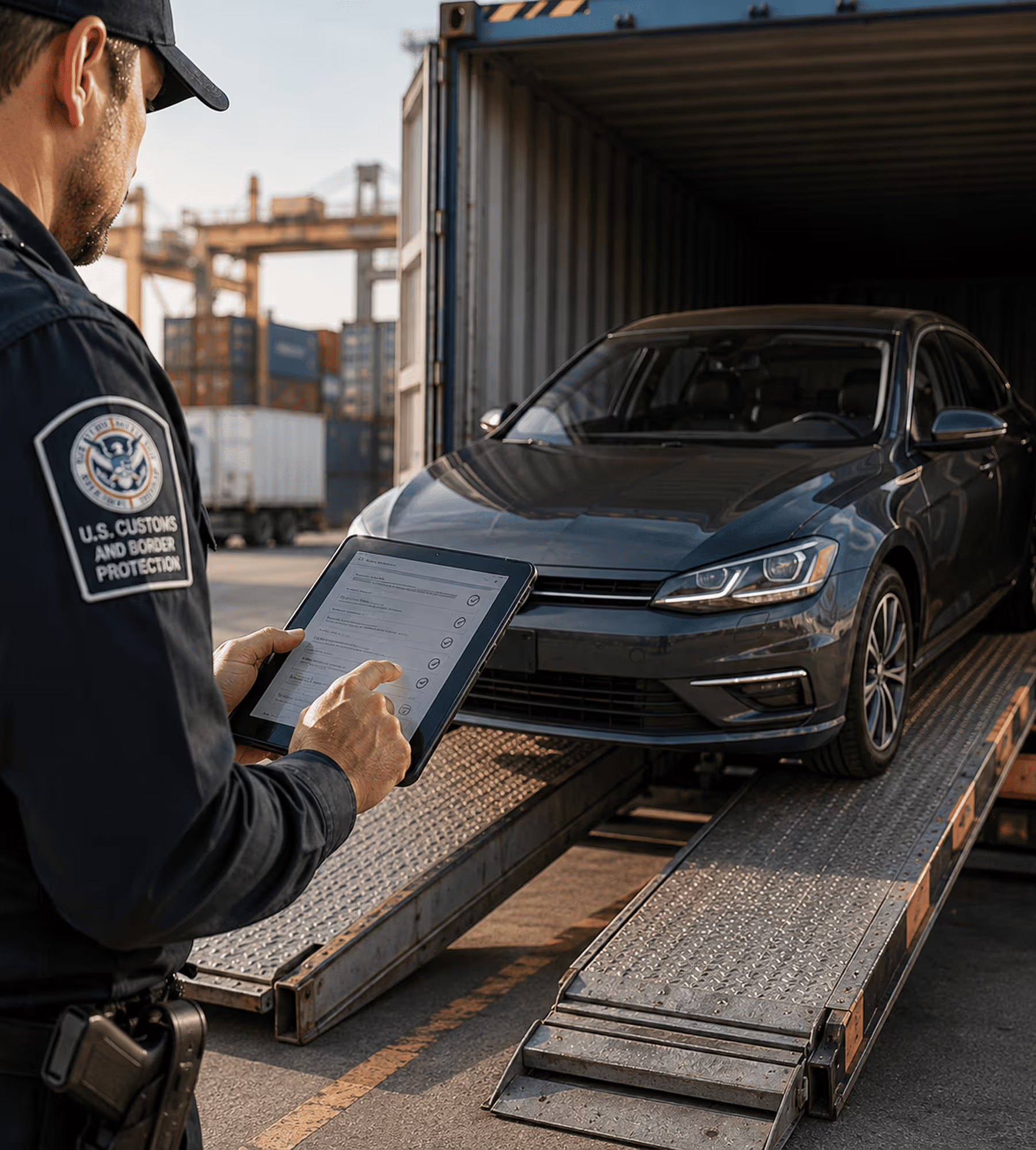

Vehicle export inspection with a customs officer using a tablet for U.S.–Canada export filing.
Our work

Legacy app modernization & rebranding

Modernizing a cross-border 
vehicle exports app

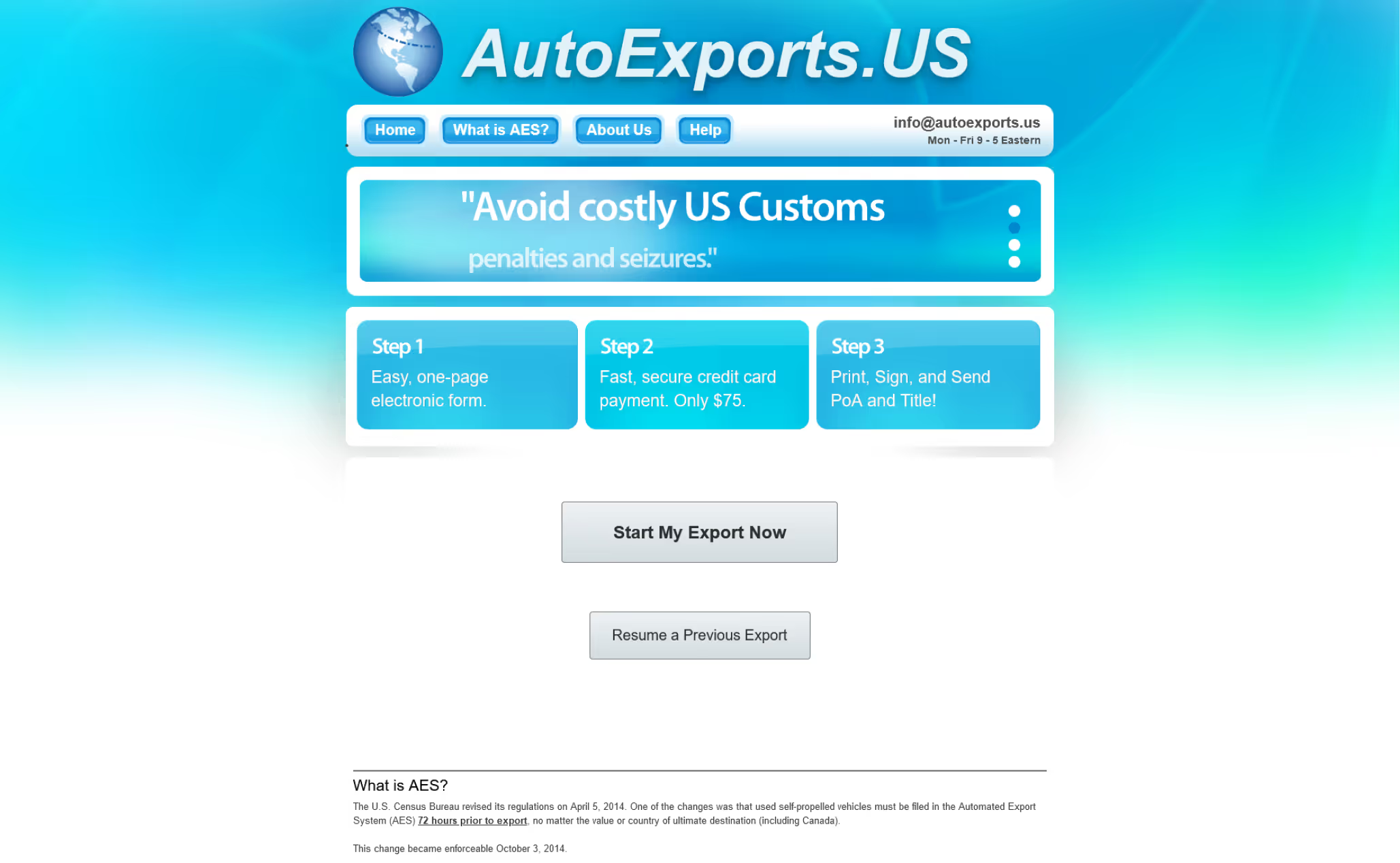
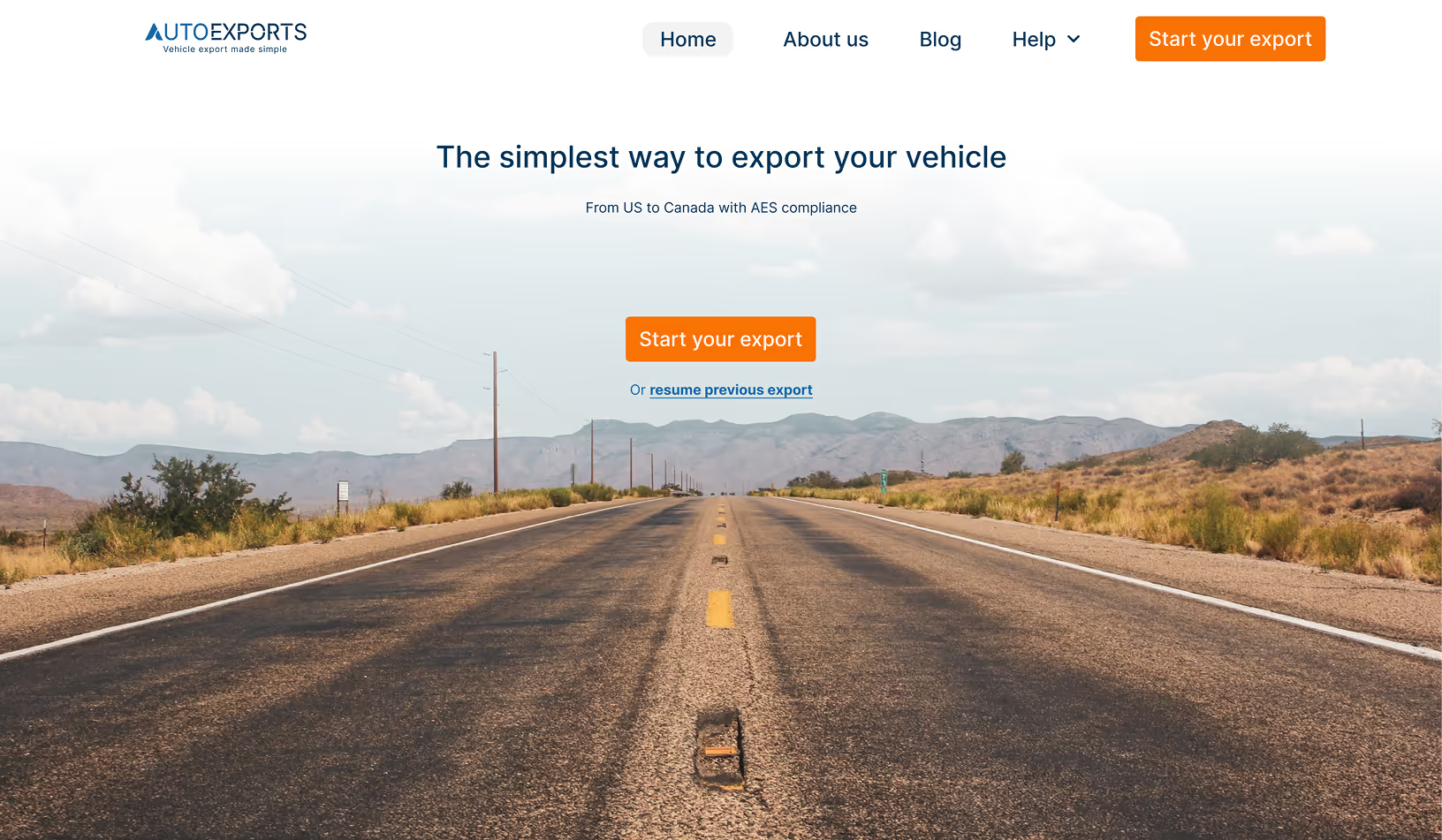
The app felt outdated and made U.S.–Canada export filing hard to complete. We modernized the product and reduced the back-office work behind each export.

50%

Fewer export steps

40%

Faster export completion

15K

New users in the first month

Overview

About our partnership

AutoExports is a mobile-first web application used to process vehicle exports across the U.S.–Canada border.

It’s operated by Livingston International and powered by SmartBorder technology. We’ve worked with this ecosystem since 2016, supporting M&A-related system integrations, modernizations, and updates.

2016

Partnership started, still active today.

34

Kaizen engineers and designers currently working.

3

Active logistics projects

CONTEXT

Export filing is time-sensitive, and easy to get wrong

To export a vehicle from the U.S., users need to complete an AES filing and obtain an Internal Transaction Number (ITN). That filing allows U.S. Customs to verify the vehicle can legally leave the country.

For many users, this is a one-time process. They are not brokers, they are not familiar with export requirements, and they need to get it right before the vehicle can move forward.
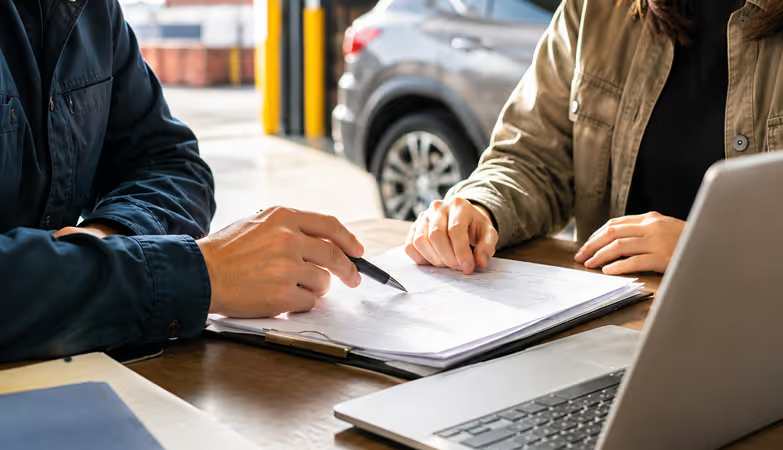
First-time vehicle exporters reviewing documents and using a guided workflow to complete export requirements.

One-Time Exporters

People exporting a vehicle for the first time who needed step-by-step guidance.

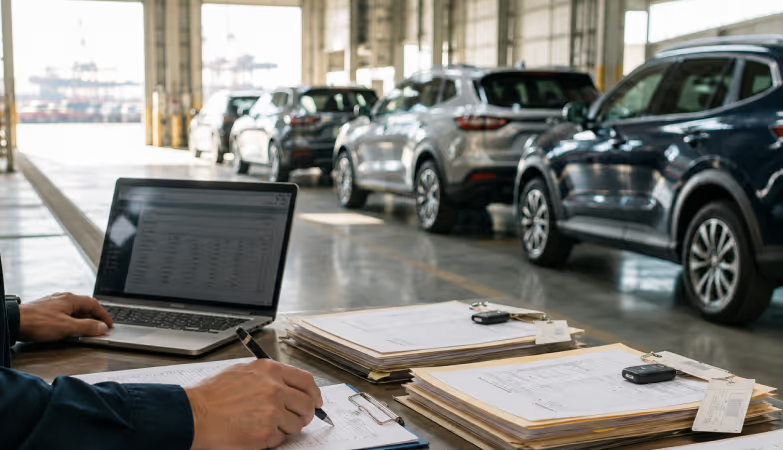
Experienced vehicle exporter completing U.S.–Canada export filing from an office near vehicle inventory.

Experienced Exporters

Repeat users who needed a faster, more predictable way to complete filings.

Livingston back-office team reviewing vehicle export submissions, documents, and exceptions to keep filings moving.

Livingston Back-Office

The team reviewing submissions, checking documents, handling exceptions, and keeping exports moving.

Challenges

Too many manual steps in an app that 
looked and felt outdated

Paper documents and laptop showing an outdated vehicle export process with too many manual filing steps.

Too many steps, not enough guidance

The process had too many steps to complete.
Users didn’t know how long the process would take or what was still missing.
First-time exporters didn’t know which documents were needed.
The outdated experience made a required filing feel harder than it should.
Driver reviewing export documents inside a vehicle during a manual cross-border vehicle filing process.

Compliance work still happened manually

AES filing and ITN generation weren’t automated inside the workflow.
Users still had to deal with printing, scanning, or offline steps.
Documents had to be reviewed and processed manually.
Large operations office showing back-office teams managing manual status updates and document reviews.

Back-office teams had to keep things moving

Users had limited visibility into their export status.
Progress updates depended on manual follow-ups.
Routine status checks and document handling kept pulling operators into work the product should have handled.

project Goal

Make vehicle exports easier to complete and easier to operate

The goal was to modernize and rebrand the legacy app so users could complete export filings with clearer guidance, fewer manual steps, and less back-office support.

That meant simplifying the workflow, automating compliance steps, digitizing document handling, and making the app feel easier to use and trust.

Our Approach

We rebuilt the export process around clarity and automation

01

Mapped the filling journey

We mapped how users completed an export, where they got stuck, and where the back-office team had to step in. That helped us see which steps created confusion, which tasks could be automated, and what needed to be clearer in the product.

02

Brought compliance into the workflow

AES filing, ITN generation, and customs documentation were too dependent on manual steps. We redesigned the flow so key compliance actions happened inside the product, making the process easier to complete and easier to operate.

03

Digitized document handling

We moved document handling into the app so users could complete required steps without relying on printing, scanning, or offline back-and-forth. That reduced manual review, sped up completion, and made the process easier to track.

04

Simplified the flow and made progress visible

We cut the process from six steps to three and made each next action clearer. We also added SMS, email, and in-app updates so users could see where their export stood without relying on manual follow-ups.

05

Rebuilt the product experience and foundation

We redesigned the brand and design system based on UX research, from colors and logo to interface patterns, so the app felt clearer, more modern, and easier to use. We also rebuilt the platform with .NET on the backend, Angular on the frontend, and Stripe payments, allowing users to complete the full export process inside the app.

Impact

Easier for users. Less work for the back-office team.

50%

Process optimization

The process went from six steps to three, making each export easier to complete.

40%

Faster export completion

Less printing, less waiting, and fewer manual handoffs helped exports move faster.

15K

New users

A clearer, easier process helped more people choose AutoExports for their vehicle exports.

Testimonial

"Their web design and branding work exceeded my expectations. The development team was equally impressive. They were highly efficient in solving any issues that arose during the project and delivered all major milestone targets on time.

David D’Costa testimonial icon for feedback on the AutoExports modernization and rebranding project.

David D’Costa

Business System Analyst at Livingston International

Related work

Active projects with Livingston and SmartBorder

See all projects

Logistics office overlooking shipping containers for a legacy systems merge and modernization project.

Consolidating legacy logistics systems without downtime

We merged multiple standalone logistics platforms into a modern web app while keeping legacy systems running throughout the transition.

Explore this project
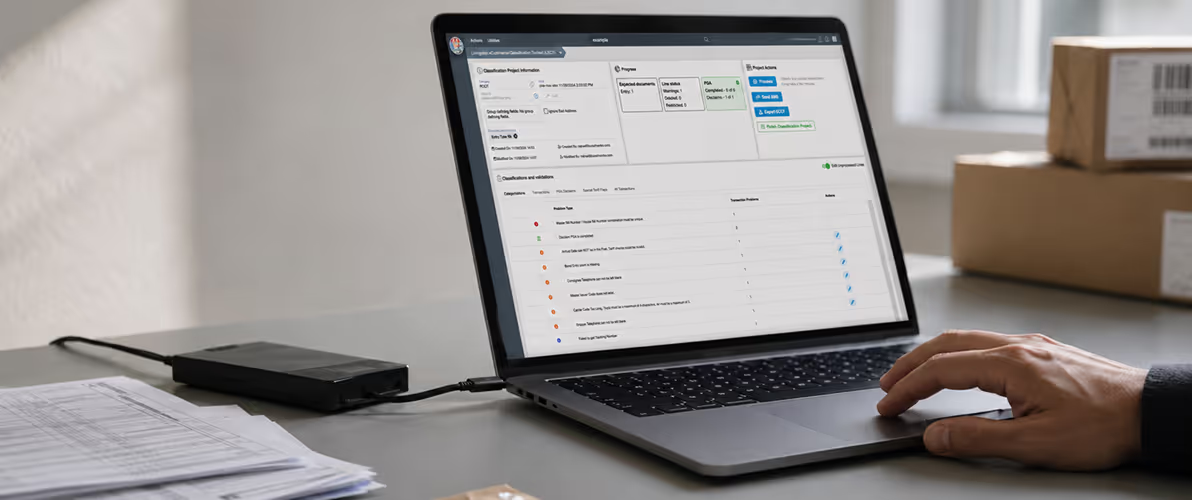
Laptop showing a customs compliance platform used to automate data validation for bulk e-commerce imports.

Automating data validation for customs compliance

An enterprise tool to process bulk e-commerce imports. It automates data validation, enabling ready-to-file submissions for the U.S. Customs Agency.

Explore this project

Make the workflow better, not just the software newer.

We help teams modernize legacy systems and simplify the workflows behind them, making the process easier for users and lighter for the team.

Get in Touch